Lost teeth change far more than your smile—they shift your bite, speech, confidence, and even nutrition. The good news: modern dentures are lighter, more natural-looking, and more comfortable than ever. The tricky part is choosing which: complete (full), partial (metal-frame or acrylic), or flexible (nylon-based). This guide strips away guesswork with a no-nonsense comparison of fit, look, budget, comfort, maintenance, and lifespan—plus real-world scenarios and a decision checklist you can take to your dental consultation in Whitefield, Bangalore.
The 30-Second Summary
- Complete Dentures (Full): Best when you’ve lost all teeth in a jaw. Most affordable way to restore full arches. Comfort and stability improve with well-made bases, precise bite, and (optionally) implant support.
- Cast Partial Dentures (Metal Framework): For some missing teeth with good remaining teeth and gums. Most stable removable option, slim profile, long lifespan.
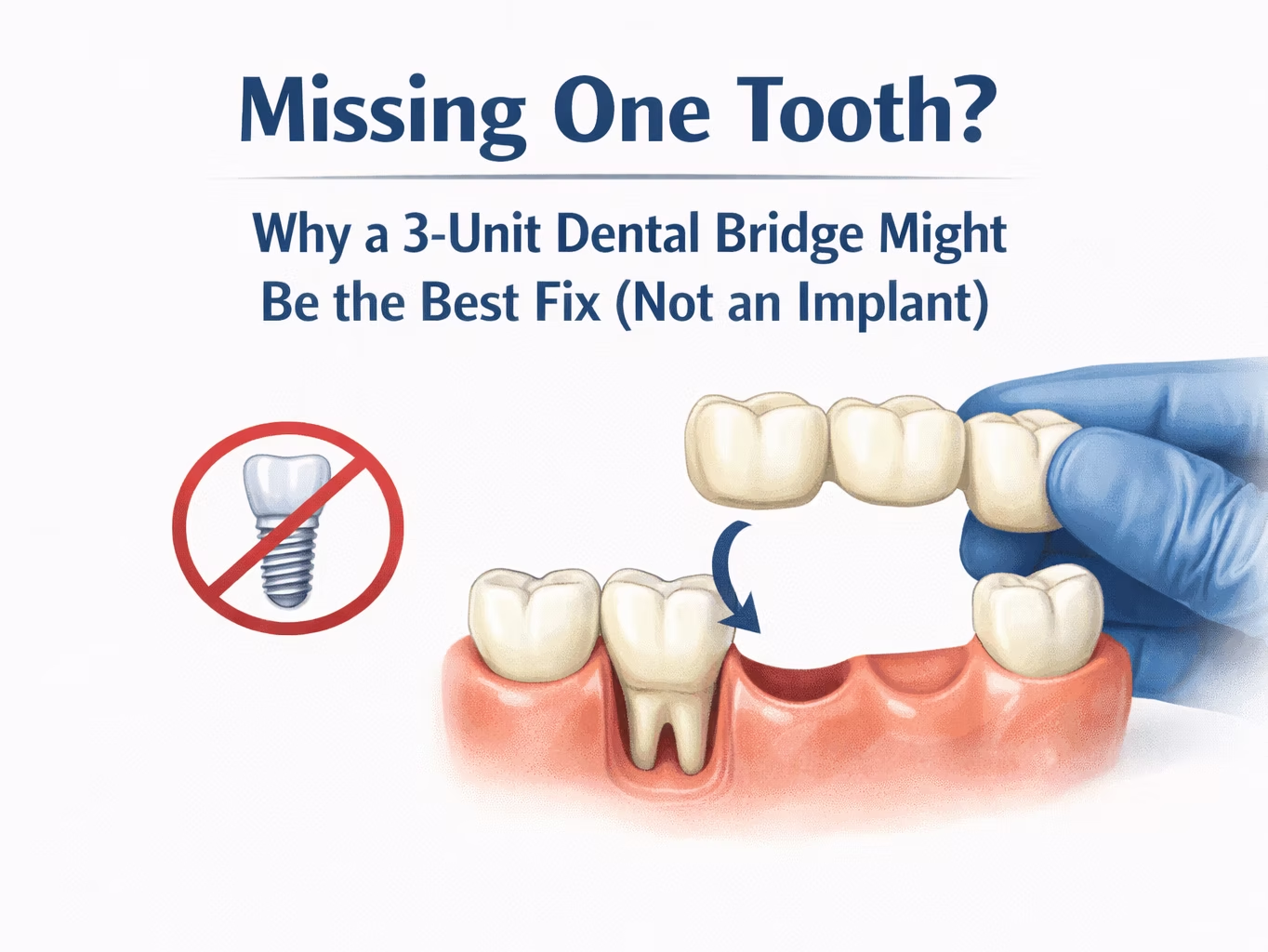
- Flexible Partial Dentures (Nylon): For few missing teeth in visible areas. Most comfortable and aesthetic clasps (gum-colored), great for beginners or those intolerant to metal. Not as long-lived or reline-friendly as cast partials.
If you’re fully edentulous → Complete denture (consider implant-stabilized). If you’re partially edentulous and want maximum stability/longevity → Cast partial. If you’re highly gum-sensitive or prioritise soft comfort/aesthetics → Flexible partial.
Quick Definitions
- Complete/Full Denture: Replaces all teeth in an upper or lower jaw with an acrylic base that sits on gums.
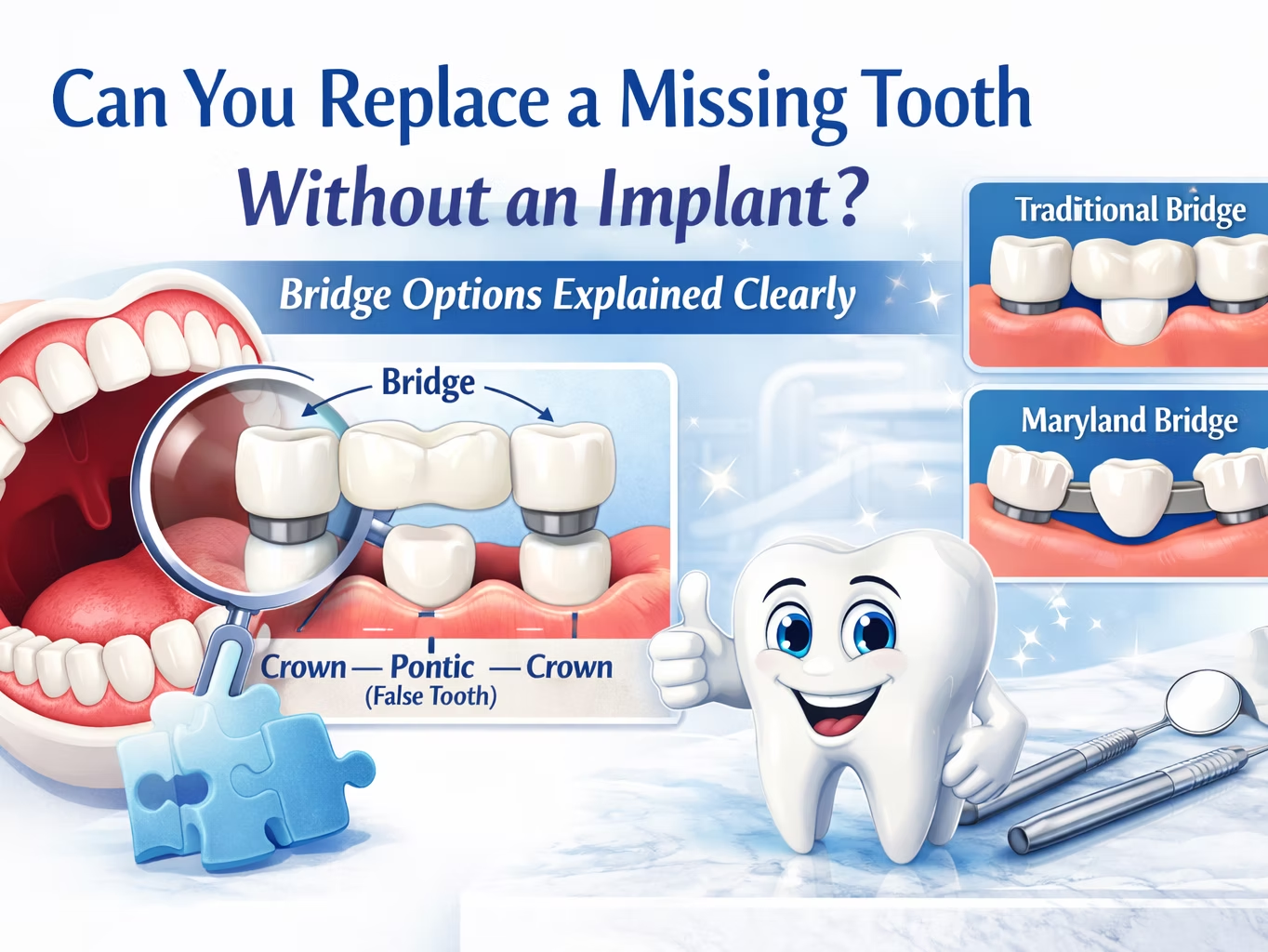
- Partial Denture (Cast Metal): Cobalt-chrome framework with acrylic teeth; clips to existing teeth. Thin, precise, durable.
- Partial Denture (Acrylic Base): All-acrylic, bulkier, economical, easier to adjust; typically a temporary/transition option.
- Flexible Denture: Nylon/thermoplastic. Slightly bendy, gum-tinted clasps hide better. Great comfort; repair/relines are trickier.
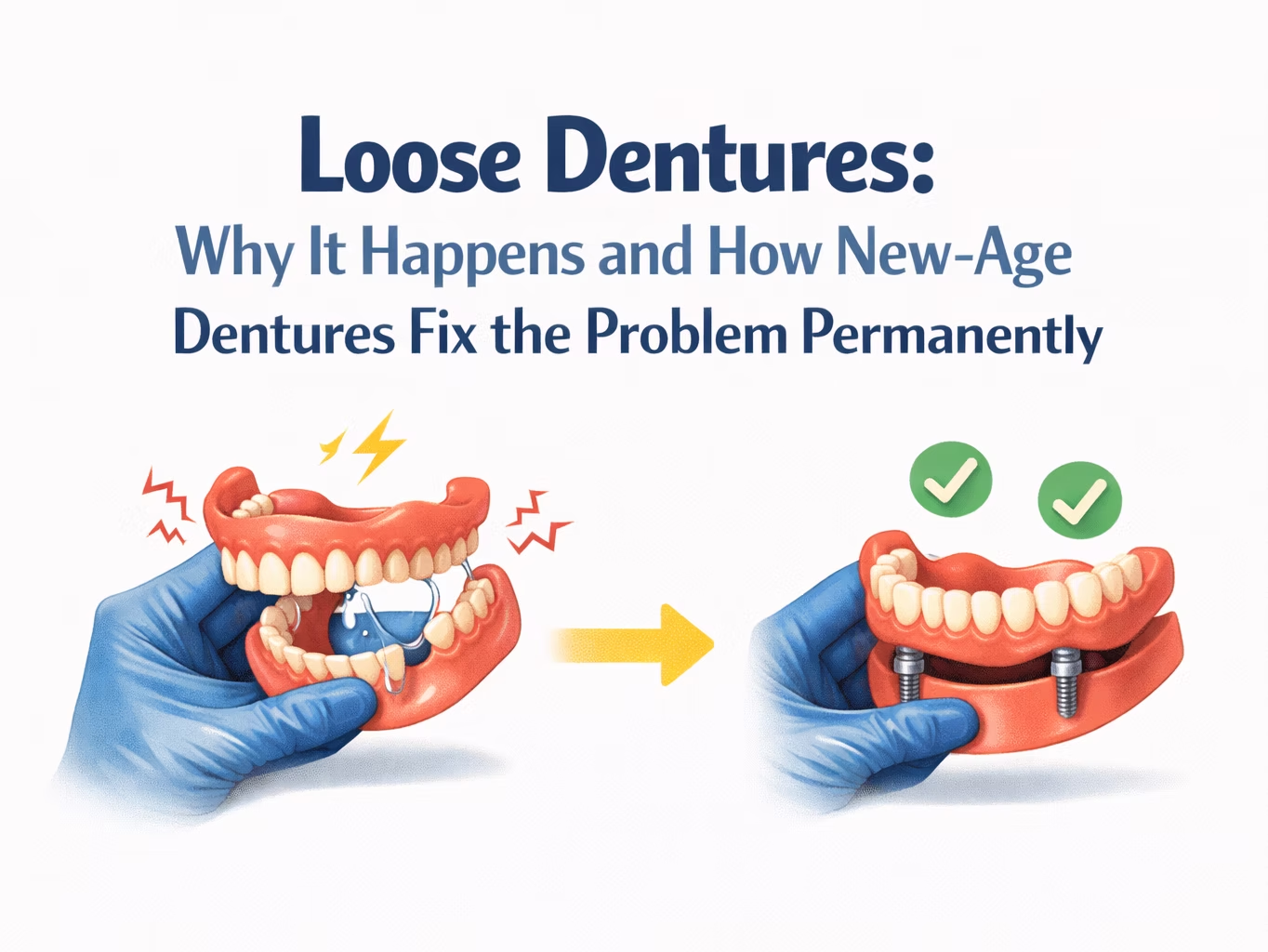
- Overdenture: A denture anchored over implants or remaining roots for extra stability.
Fit, Look, Budget: Head-to-Head

Comfort & Fit: Why Some Dentures “Disappear” in Your Mouth
Retention (staying put), stability (resisting rocking), and support (spreading chewing forces) decide comfort.
- Complete dentures rely on close adaptation to gums, border seal, saliva quality, and precise bite. Uppers often feel more secure; lowers can float without good ridge anatomy or implants.
- Cast partials lock onto remaining teeth via precision rests/clasps—less bulk, less movement, more confidence biting apples and tougher foods.
- Flexible partials hug soft tissue and tooth necks gently; pressure points are rare. However, because they flex, chewing forces can still move the base slightly.
Look/Naturalness: The Aesthetic Equation
A believable smile depends on:
- Tooth shape & shade (avoid too white; match age & complexion).
- Gum contouring & stippling (lifelike transitions, not flat pink slabs).
- Smile line & lip support (especially with complete dentures—set teeth where your face expects them).
- Clasps visibility (cast partials show metal in some smiles; flexible clasps disguised as gum tissue).
If your top priority is invisible clasps in the smile zone, flexible partials or precision attachments on cast partials are top contenders.
Budget & Lifetime Costs
- Acrylic partials are easiest on your wallet today, not always tomorrow (more adjustments/replacements).
- Cast partials cost more upfront but last longer, feel thinner, and often need fewer repairs true cost-per-year is attractive.
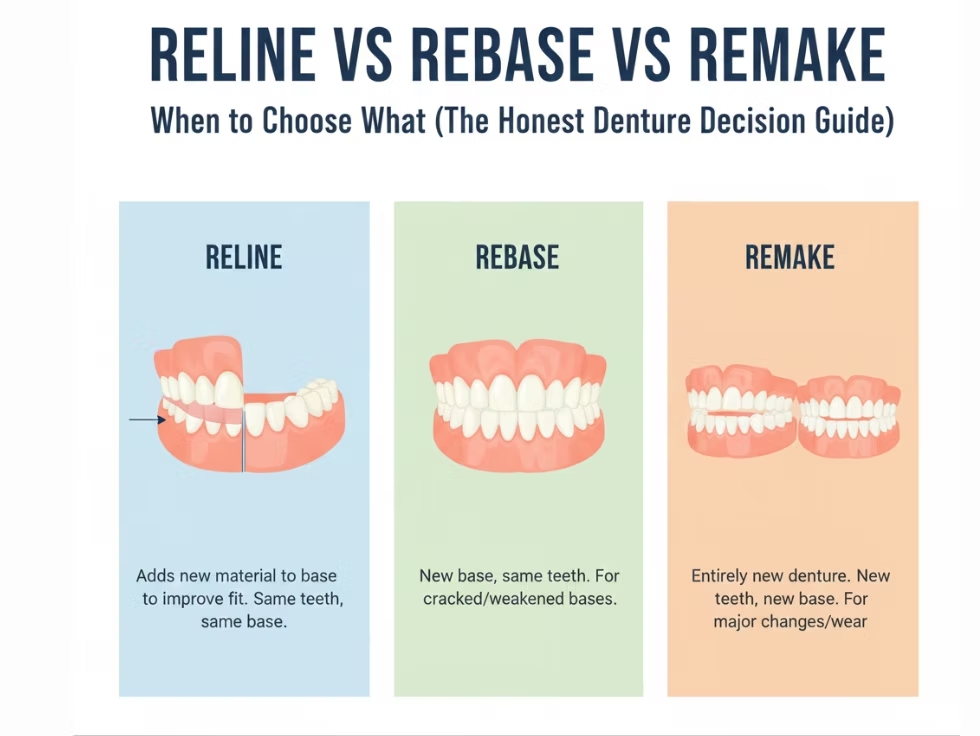
- Complete dentures need re-lining as your bone remodels, and a remake every several years. Consider implant retention if your budget allows; you’ll spend more initially but often save in comfort/adhesives/adjustment visits.
Durability & Maintenance
- Cast partial: metal framework withstands flex and bite; teeth/acrylic can be repaired.
- Flexible partial: stain-resistant but difficult to reline/repair. Avoid very hot water and harsh cleaners.
- Complete denture: robust if handled well; store wet; routine relines protect sore spots and fit.
Daily care: rinse after meals, brush denture surfaces (non-abrasive), soak overnight in recommended cleansers, brush your gums/tongue/palate to improve circulation and freshness.
Speech & Social Confidence
Most patients adapt within 1–2 weeks. Practice reading aloud, count from 60–90 (sibilants), sip water to manage dryness, and let your clinician adjust pressure points early—don’t “tough it out”.
Bone & Gum Health (What Happens Under the Denture)
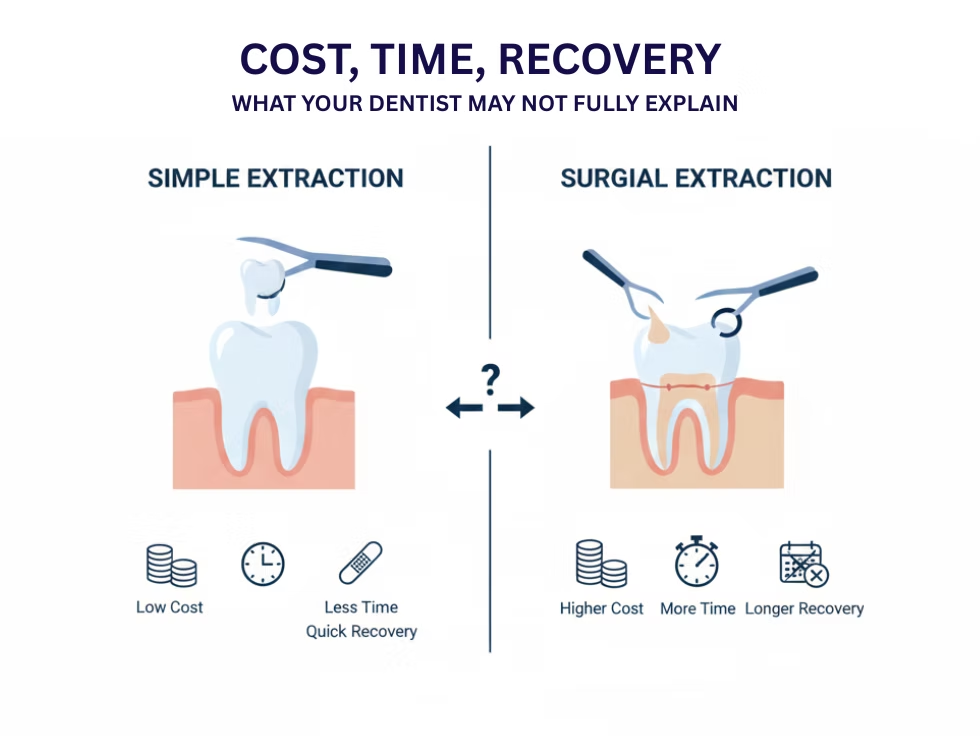
- After extractions, your ridge shrinks (fastest in the first year). Well-fitting bases distribute load and reduce sore spots.
- Implant-assisted options maintain ridge volume where tooth implants sit and transform lower denture stability.
- Keep your gums healthy with regular cleanings, and never sleep with dentures unless advised (reduces fungal overgrowth).
Step-by-Step: What Your Treatment Journey Looks Like
- Assessment & Planning: medical/dental history, gum health, X-rays, ridge anatomy, smile goals, budget.
- Impressions: preliminary → final. Accurate borders are the secret to comfort.
- Bite Registration & Jaw Relation: the vertical dimension that avoids cheek biting and lip collapse.
- Tooth Try-In: you check shape, shade, smile line, speech. We tweak before final processing.
- Insertion: final fit, pressure point relief, hygiene instructions.
- Review Visits: 24–48 hours, one week, and as needed.
- Relines/Repairs: when fit changes or hotspots appear.
Who Should Choose What?
A) You’re missing all teeth in the lower jaw
- Start with complete denture; if it rocks or floats, upgrade to 2-implant overdenture for game-changing stability.
B) You’re missing several teeth but still have strong anchors
- Cast partial for stability, thin feel, and longevity. Consider tooth-colored/hidden clasps in the smile zone.
C) You’re missing 1–3 teeth in a visible area and hate metal clasps
- Flexible partial wins on comfort and looks. Re-evaluate every few years for replacement or a long-term solution (implant, cast partial).
D) You want an interim solution after extractions
- Acrylic immediate denture bridges the healing period, later relined or replaced once gums stabilize.
Common Myths
- “Dentures always look fake.” Modern teeth/gums and careful try-ins look remarkably natural.
- “Lower dentures never fit.” Good borders + balanced bite help; implants take them from “okay” to secure.
- “Flexible partials break easily.” They resist snaps but don’t love major relines; plan replacement cycles.
- “Metal partials damage teeth.” When properly designed, they protect teeth by spreading load and limiting torque.
How to Avoid the Top 7 Mistakes
- Skipping the try-in—always approve aesthetics and speech first.
- Choosing “cheapest now,” paying more later in repairs.
- Ignoring sore spots—tell your dentist within 48–72 hours.
- Wearing dentures 24/7—let tissues rest at night (unless told otherwise).
- Neglecting cleanings—tartar builds on dentures too.
- Avoiding relines—loose bases = friction = ulcers.
- Expecting day-one perfection—small early adjustments equal big comfort wins.