If you wear dentures and constantly worry about them slipping while eating, speaking, or even smiling, you are not alone. Many denture wearers in Whitefield, Bangalore, silently struggle with loose dentures every day—often believing it is an unavoidable part of aging.
Loose dentures affect far more than comfort. They impact confidence, nutrition, speech, facial appearance, and overall quality of life. Patients often rely on denture adhesives, frequent adjustments, or avoid certain foods altogether—without realizing that modern dental technology has completely changed denture stability.
The truth is simple: loose dentures are a solvable problem. With today’s new-age dentures and implant-supported solutions, it is possible to restore comfort, security, and confidence permanently. This guide explains why dentures become loose and how advanced denture solutions available in Whitefield, Bangalore can fix the problem for good.
What Does It Mean When Dentures Become Loose?
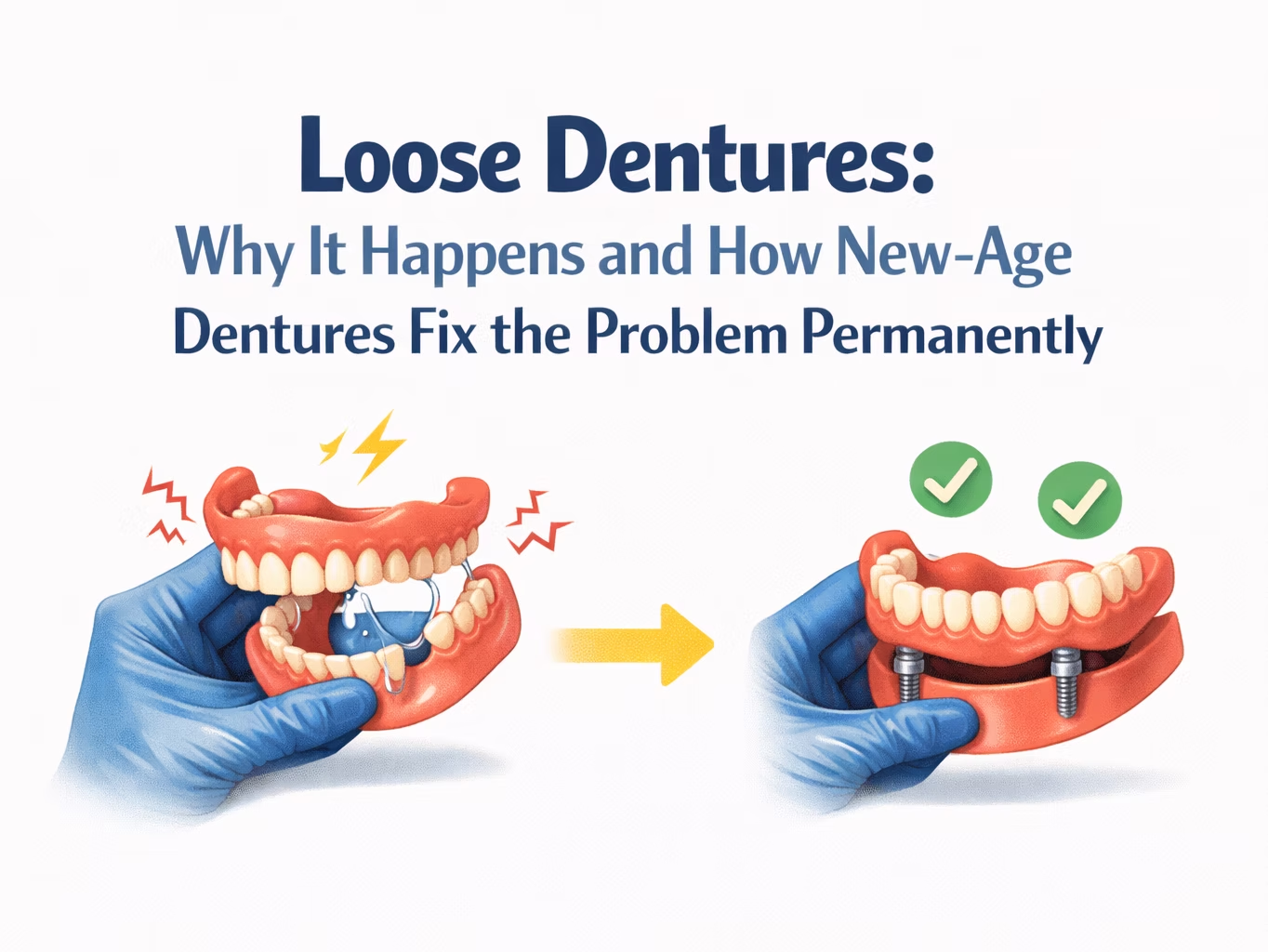
Loose dentures occur when removable dentures no longer fit securely over the gums or jawbone. Instead of staying stable, they may shift, rock, or lift during normal activities.
Common Signs of Loose Dentures
- Dentures slipping while chewing or speaking
- Clicking sounds during conversation
- Painful pressure points or gum sores
- Dependence on denture adhesives
- Difficulty eating hard or chewy foods
- Reduced confidence in social settings
Many patients assume these issues are “normal” and continue adjusting their lifestyle around the dentures. In reality, these symptoms signal an underlying structural problem that needs professional correction.
Why Do Dentures Become Loose Over Time?
Loose dentures are extremely common, especially among long-term denture wearers in Bangalore. Understanding the root causes helps explain why traditional fixes fail.
Jawbone Shrinkage (Bone Resorption)
After natural teeth are removed, the jawbone no longer receives stimulation from chewing. Over time, the bone begins to shrink—a process called bone resorption.
- Bone loss starts within months of tooth extraction
- Continues progressively year after year
- Changes the shape of the jaw
- Causes dentures to lose their original fit
Traditional dentures sit on top of the gums, accelerating bone loss rather than preventing it.
Natural Changes in Gums and Facial Structure
As we age, soft tissues naturally thin and lose elasticity. Gums shrink, facial muscles weaken, and bite alignment shifts. These subtle changes gradually make dentures unstable, even if they were well-fitted initially.
Poor Initial Denture Design or Fit
Many dentures are fabricated using outdated impression techniques or generic sizing. Without precision digital scanning and bite analysis, dentures may fit “okay” initially but fail quickly.
In busy dental setups, especially where dentures are mass-produced, long-term stability is often overlooked.
Wear and Tear of Denture Materials
Over time:
- Denture bases lose shape
- Chewing surfaces flatten
- Retention weakens
Even the best materials degrade with years of daily use, leading to loss of suction and stability.
Health, Weight, and Lifestyle Factors
- Sudden weight loss
- Diabetes or systemic illness
- Smoking
- Medications affecting bone density
These factors can accelerate changes in gum and bone structure, worsening denture looseness.
Why Loose Dentures Are More Than Just an Inconvenience
Loose dentures don’t just affect comfort they affect health.
Poor Nutrition
Unstable dentures make it difficult to chew properly, leading many patients to avoid fruits, vegetables, nuts, and protein-rich foods. This compromises digestion and overall health.
Gum Sores and Infections
Constant movement creates friction, causing ulcers, inflammation, and fungal infections that worsen over time.
Speech Problems and Social Anxiety
Loose dentures can affect pronunciation and cause embarrassment in social or professional environments—especially relevant for working professionals in Whitefield’s tech corridor.
Accelerated Bone Loss
Ill-fitting dentures increase pressure on limited areas of bone, speeding up bone resorption and worsening the cycle.
Premature Facial Aging
Bone loss causes sunken cheeks, collapsed lips, and deeper wrinkles, making patients appear older than they are.
Why Traditional Denture Fixes Don’t Work Long-Term
Denture Adhesives
Adhesives only mask the problem temporarily. They:
- Do not stop bone loss
- Can cause hygiene issues
- Lose effectiveness over time
They should never be considered a permanent solution.
Denture Relining
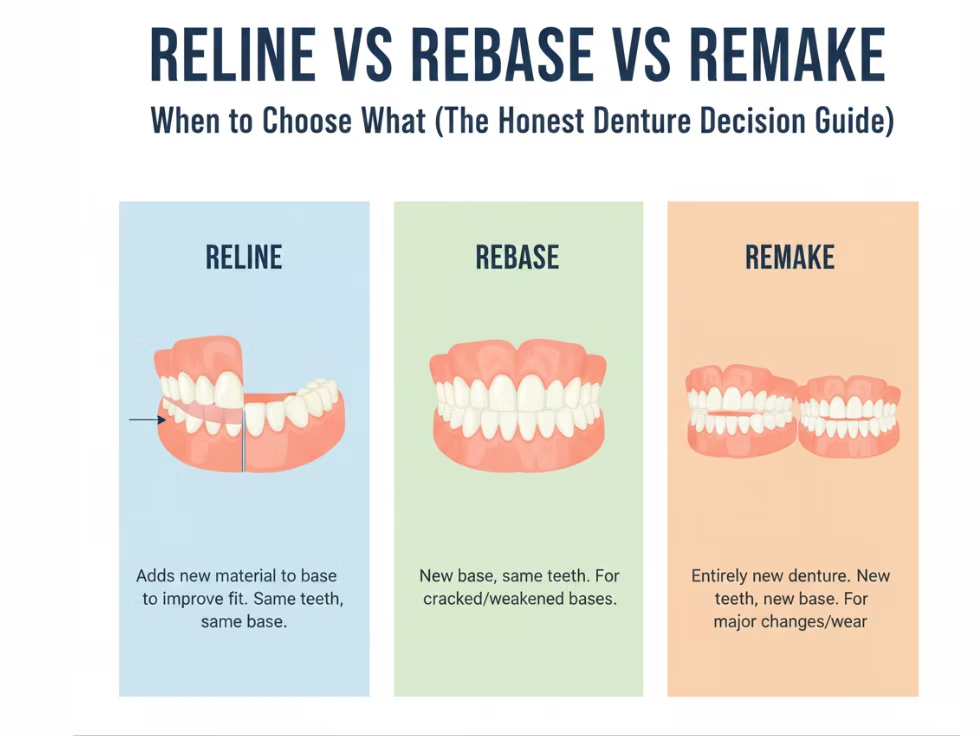
Relining improves fit temporarily by adding material to the denture base. However, as bone continues to shrink, relining becomes less effective and needs frequent repetition.
Endless Adjustments
Repeated adjustments improve comfort briefly but cannot restore lost bone or stability.
What Are New-Age Dentures?
New-age dentures represent a shift from “replace missing teeth” to restore function, stability, and facial structure.
How Modern Dentures Differ
- Digital 3D scans instead of messy impressions
- Precision bite analysis
- Lightweight, high-strength materials
- Custom facial support design
- Long-term stability planning
In Whitefield, Bangalore, advanced dental clinics now offer these modern solutions that dramatically outperform traditional dentures.
How New-Age Dentures Fix Loose Dentures Permanently
Implant-Supported Dentures: The Gold Standard
Dental implants are titanium posts placed into the jawbone that act like artificial tooth roots. Dentures anchored to implants:
- Do not slip or move
- Restore strong chewing ability
- Prevent further bone loss
- Eliminate need for adhesives
Even 2–4 implants can dramatically improve denture stability.
Digital Denture Design
Advanced Dental clinics in Whitefield use intraoral scanners and 3D modeling to design dentures that match:
- Jaw anatomy
- Bite force distribution
- Facial symmetry
This results in superior suction, comfort, and precision.
Advanced Denture Materials
Modern materials are:
- Lightweight yet strong
- Better adapted to gum tissues
- Resistant to wear and deformation
This significantly improves longevity and comfort.
Customized Bite & Facial Support
New-age dentures restore correct bite height, improving:
- Speech
- Jaw comfort
- Facial appearance
Patients often look younger after treatment due to restored facial support.
Are New-Age Dentures Right for Everyone?
Ideal Candidates
- Long-term denture wearers
- Patients with repeated denture looseness
- Those tired of adhesives
- Patients experiencing bone loss
What If Implants Are Not Possible?
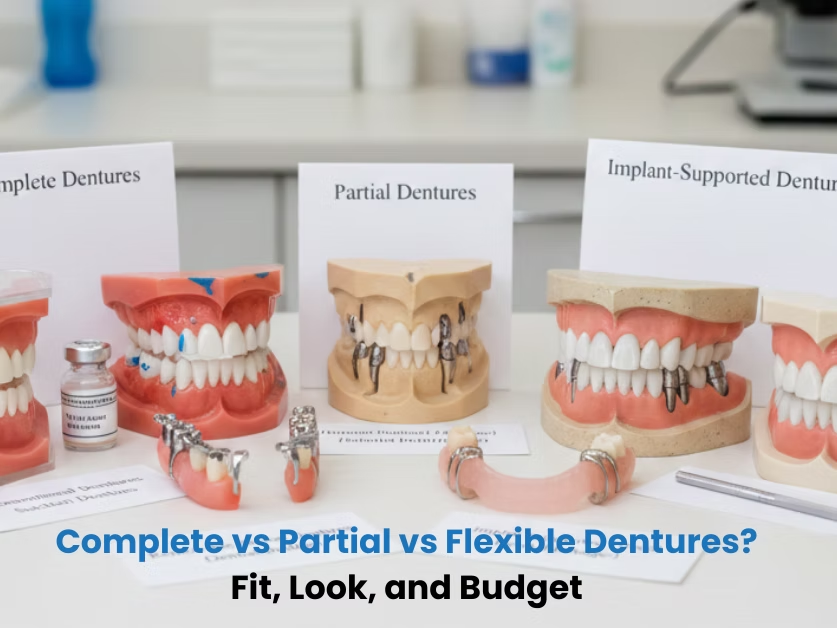
Even without implants, precision digital dentures offer far better stability than conventional ones and can be designed to maximize suction and comfort.
Cost vs Value: Are New-Age Dentures Worth It?
While new-age dentures may cost more initially than traditional dentures, they offer:
- Fewer replacements
- Fewer adjustments
- Better oral health
- Improved quality of life
For many patients in Whitefield, the long-term value far outweighs short-term savings.
What to Expect During the New-Age Denture Process
- Comprehensive consultation
- Digital scans & bone assessment
- Personalized treatment planning
- Implant placement (if needed)
- Trial dentures and bite verification
- Final fitting and stabilization
- Follow-ups for long-term success
How to Prevent Dentures From Becoming Loose Again
- Regular dental check-ups
- Professional cleaning
- Avoid DIY adjustments
- Upgrade dentures when bone changes occur
- Maintain overall oral health
Get a Denture Stability Assessment in Whitefield, Bangalore
If you are tired of living with loose dentures, it’s time to explore modern, permanent solutions.
Book a denture stability assessment in Whitefield, Bangalore to discover whether new-age dentures or implant-supported options are right for you.