
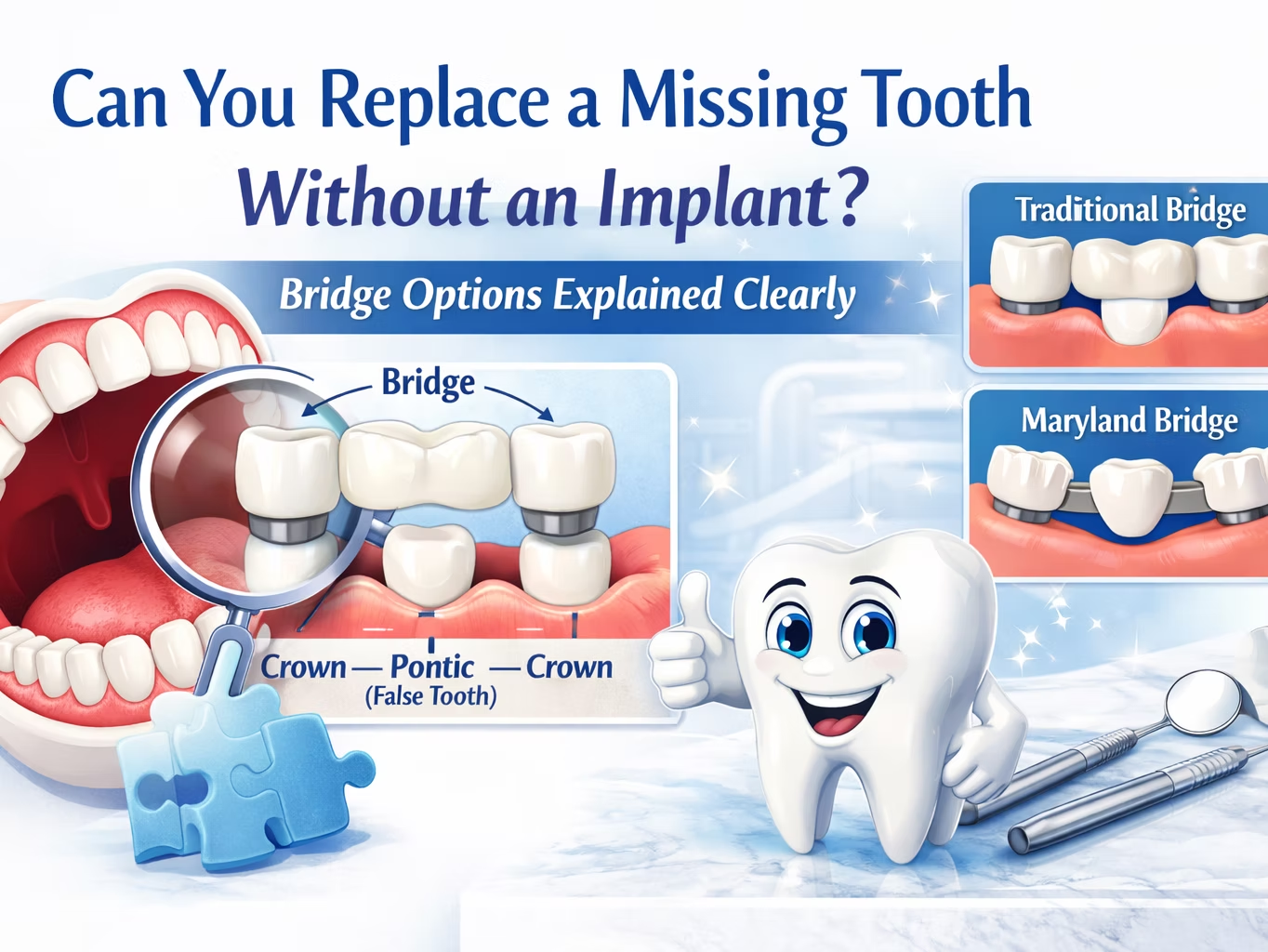
You can replace a missing tooth without an implant using a dental bridge, removable partial denture, complete denture (for multiple missing teeth), a Maryland (resin-bonded) bridge, or a temporary flipper while deciding on a permanent option. A traditional bridge is the most common non-surgical, non-implant solution and typically costs less upfront than an implant, though it doesn’t prevent jawbone loss the way an implant does.
Replacing a missing tooth doesn’t always require a dental implant. In fact, many patients in Whitefield actively look for non-surgical, faster, and more affordable alternatives to implants. Whether the concern is cost, healing time, medical conditions, or simply personal preference, dental bridges remain one of the most reliable ways to restore a missing tooth—without surgery.
This guide explains all your non-implant tooth replacement options, with a special focus on dental bridges, so you can make an informed decision based on your oral health, budget, and long-term needs. If you’re searching for clear answersnot sales talk this article is for you.
What Happens If You Don’t Replace a Missing Tooth?
Many people delay replacing a missing tooth, especially if it’s not immediately visible. However, even a single missing tooth can create long-term dental and facial problems.
Functional Problems
When a tooth is missing, your bite becomes unbalanced. This can lead to:
- Difficulty chewing food properly
- Excess pressure on remaining teeth
- Jaw discomfort or TMJ-related issues
- Changes in speech clarity
Over time, surrounding teeth start shifting into the empty space, creating misalignment and bite issues that may require orthodontic correction later.
Aesthetic & Confidence Impact
A missing tooth—especially in the front or smile zone—can affect:
- Smile symmetry
- Facial structure support
- Self-confidence in social or professional settings
Patients in Whitefield often report avoiding smiling or speaking freely due to visible gaps.
Long-Term Oral Health Risks
Leaving a missing tooth untreated can result in:
- Gradual bone loss in the jaw
- Increased risk of gum disease
- Higher chances of tooth decay in adjacent teeth
Replacing a missing tooth early helps prevent these complications.
Is It Possible to Replace a Tooth Without an Implant?
Yes absolutely. Dental implants are popular, but they are not the only permanent solution.
Proven Non-Implant Tooth Replacement Options
Dentists commonly recommend:
- Dental bridges (fixed, non-removable)
- Removable partial dentures
- Temporary prosthetic solutions (short-term)
Among these, dental bridges are the most stable, natural-looking, and widely used non-implant option.
When Dentists Recommend Non-Implant Solutions
A dentist in Whitefield may advise against implants if:
- You prefer a non-surgical approach
- Bone density is insufficient
- You have medical conditions affecting healing
- Budget is a primary concern
- Faster restoration is required
What Is a Dental Bridge?
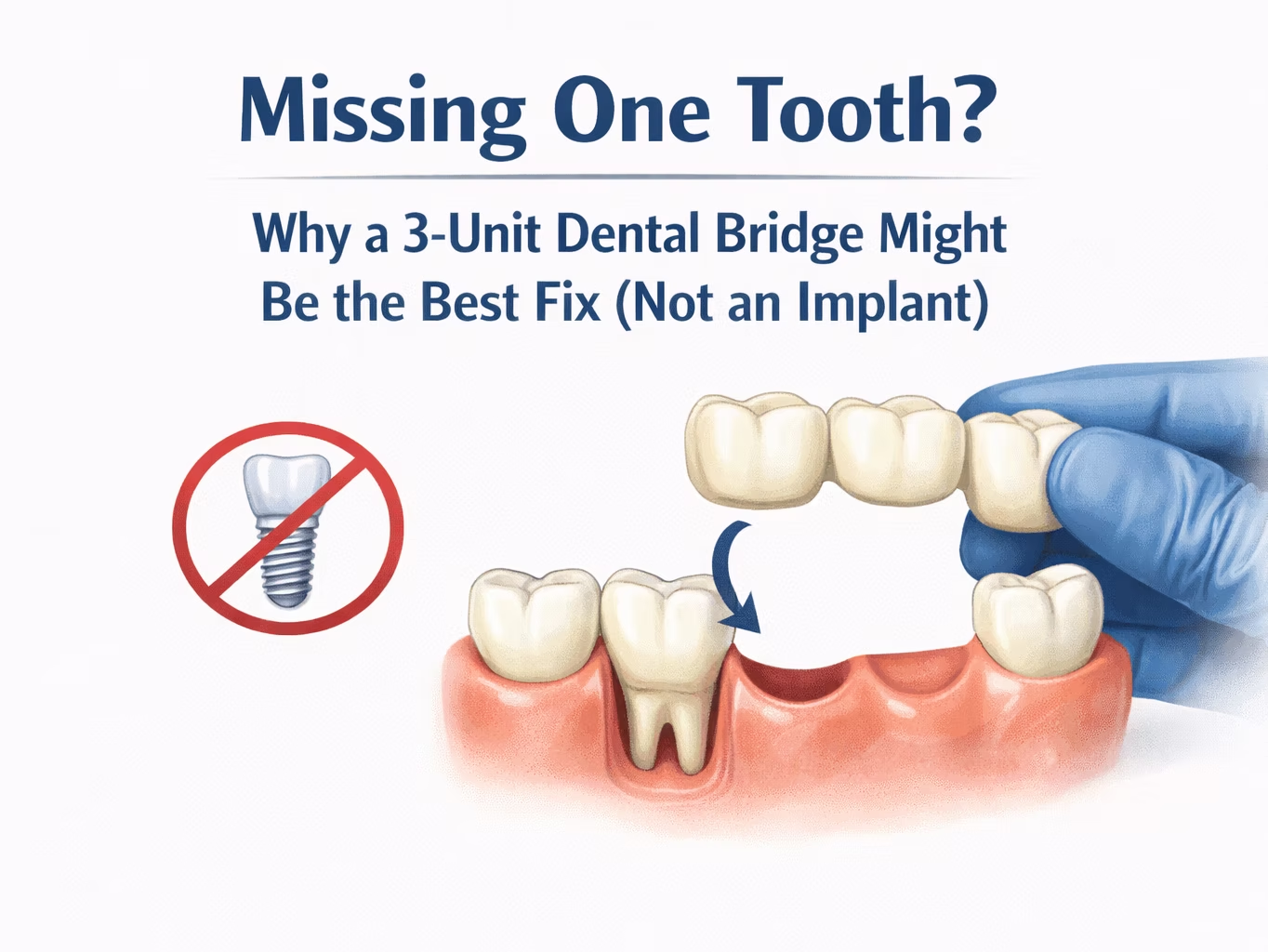
A dental bridge is a fixed prosthetic tooth that “bridges” the gap created by one or more missing teeth.
How a Dental Bridge Works
- The missing tooth is replaced with an artificial tooth (pontic)
- Adjacent natural teeth act as supports (abutments)
- The bridge is cemented in place and cannot be removed by the patient
Once placed, it functions like a natural tooth for chewing and speaking.
Materials Used in Dental Bridges
Depending on aesthetics and strength requirements, bridges may be made from:
- Porcelain or ceramic (most natural-looking)
- Zirconia (high strength, excellent aesthetics)
- Metal-ceramic combinations (durable, cost-effective)
Types of Dental Bridges for Missing Teeth
Traditional Dental Bridge
This is the most common type used in Whitefield dental clinics.
How it works
- Crowns are placed on the two teeth adjacent to the gap
- The artificial tooth is suspended between them
Best for
- Back teeth
- Areas with strong adjacent teeth
Consideration
- Requires reshaping healthy neighboring teeth
Cantilever Dental Bridge
This bridge is supported by only one adjacent tooth.
Best for
- Areas with low chewing pressure
- When only one supporting tooth is available
Limitations
- Not ideal for molars
- Higher stress on the supporting tooth
Maryland (Resin-Bonded) Bridge
A conservative option commonly used for front teeth.
Advantages
- Minimal tooth preparation
- Preserves natural tooth structure
Limitations
- Less durable than traditional bridges
- Not suitable for heavy biting forces
Dental Bridge vs Dental Implant: A Clear Comparison
Procedure & Invasiveness
- Bridge: Non-surgical, no incisions
- Implant: Surgical placement into jawbone
Treatment Timeline
- Bridge: 1–2 weeks
- Implant: 3–6 months (including healing)
Cost Comparison (Whitefield, Bangalore)
- Dental Bridge: Lower upfront cost
- Implant: Higher initial investment
Durability & Lifespan
- Bridge: 5–15 years (with proper care)
- Implant: 20+ years
Bone Preservation
- Bridge: Does not prevent bone loss
- Implant: Helps preserve jawbone
Pros and Cons of Replacing a Tooth Without an Implant
Advantages of Dental Bridges
- No surgery or stitches
- Faster results
- More affordable
- Natural appearance
- Proven, time-tested solution
Limitations to Consider
- Adjacent teeth need preparation
- Bone loss may continue under the missing tooth
- Replacement may be needed after several years
Who Is a Good Candidate for a Dental Bridge?
Ideal Oral Conditions
You may be a good candidate if:
- Adjacent teeth are healthy
- Gums are free of active disease
- Jaw alignment is stable
Medical & Lifestyle Factors
Bridges are often preferred for:
- Patients with diabetes
- Smokers
- Older adults
- Patients avoiding surgery
Cost of Replacing a Missing Tooth Without an Implant in Whitefield
Average Dental Implant Cost, Bangalore
Costs vary based on material and complexity:
- Porcelain bridge: Mid-range
- Zirconia bridge: Higher range
- Metal-ceramic bridge: More affordable
Insurance & Payment Options
- Some dental insurance plans cover bridges
- Many Whitefield clinics offer EMI or staged payments
Long-Term Cost Consideration
While implants last longer, bridges often provide a better short-to-medium-term ROI for many patients.
Dental Bridge Cost in Bangalore: Quick Comparison
| Bridge Type | Cost (per unit/tooth) | Notes |
|---|---|---|
| Metal-ceramic (PFM) bridge | ₹8,000–₹15,000 | Most affordable fixed option |
| Porcelain/ceramic bridge | ₹12,000–₹20,000 | Natural aesthetics |
| Zirconia bridge | ₹18,000–₹30,000+ | Highest strength & aesthetics |
| Maryland (resin-bonded) bridge | ₹8,000–₹15,000 | Front teeth only, minimal prep |
| Cantilever bridge | ₹10,000–₹18,000 | Single-tooth-support cases |
How Long Do Dental Bridges Last?
Average Lifespan
Most dental bridges last:
- 5–15 years
Factors Affecting Longevity
- Oral hygiene habits
- Grinding or clenching
- Regular dental check-ups
- Quality of materials
Dental Bridge Procedure: Step-by-Step
Step 1: Consultation & Diagnosis
Your dentist examines the gap, the health of the adjacent teeth, and your bite alignment, often supported by an X-ray to check root and bone condition. This step decides which bridge type (traditional, cantilever, or Maryland) suits your case, and whether the adjacent teeth are strong enough to act as support.
Step 2: Tooth Preparation
The teeth on either side of the gap are gently reshaped to make room for the dental crowns that will anchor the bridge — a small amount of enamel is removed so the crowns fit naturally, without looking bulky. Precise impressions (or a digital scan) of your teeth are then taken and sent to the lab, where your custom bridge is fabricated to match your bite and the shade of your natural teeth.
Step 3: Temporary Bridge
While your permanent bridge is being made — typically over 1–2 weeks — a temporary bridge is placed to protect the reshaped teeth, maintain your ability to chew and speak normally, and prevent the gap from shifting in the meantime.
Step 4: Final Placement
Once the permanent bridge arrives, your dentist checks the fit, bite, and appearance, making small adjustments as needed before cementing it permanently in place. A final bite check ensures there’s no discomfort when chewing, and you’re given care instructions to keep the bridge and surrounding gums healthy long-term.
Caring for a Dental Bridge in Bangalore
Daily Oral Hygiene Tips
- Brush twice daily
- Use floss threaders or water flossers
- Clean under the bridge carefully
Foods to Avoid
- Hard candies
- Ice chewing
- Sticky foods
Regular Dental Visits
Get professional cleanings every 6 months to remove plaque around the bridge margins and under the pontic — areas hard to clean at home. Your dentist also checks the fit, cement seal, and takes periodic X-rays to catch problems early.
Alternatives to Dental Bridges
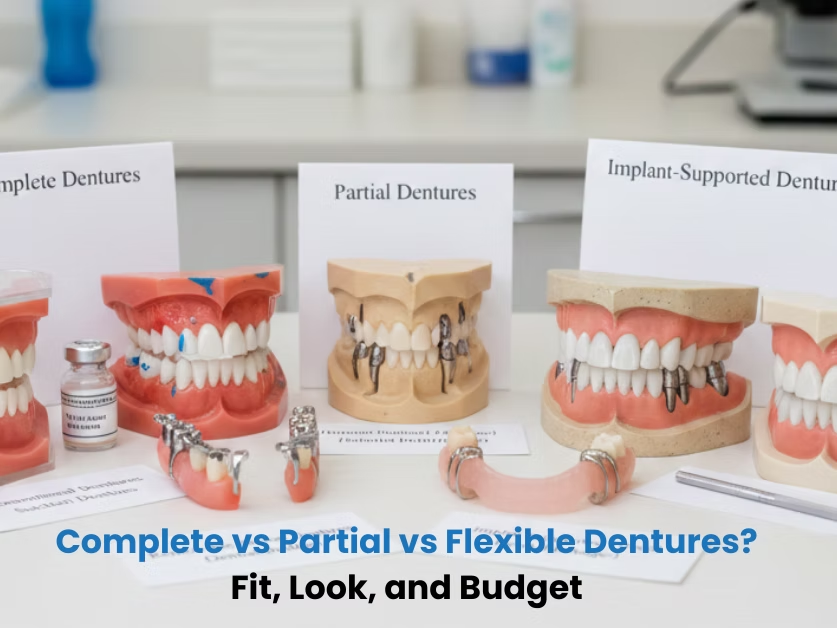
Removable Partial Dentures
- Lower cost
- Removable
- Less natural feel
Temporary Tooth Replacement
Used while planning permanent treatment.
Should You Choose a Bridge or Implant?
Dentists in Whitefield typically consider:
- Bone health
- Budget
- Time availability
- Patient comfort
There is no universal “best” option—only what’s best for you.
Frequently Asked Questions
1. Can you replace a missing tooth without an implant?
Yes. A missing tooth can be replaced without an implant using options such as a dental bridge, removable partial denture, or other prosthetic solutions. The best option depends on the number and location of missing teeth, the health of the surrounding teeth, and your bite.
2. What is the best alternative to a dental implant?
A dental bridge is one of the most common alternatives when replacing a single missing tooth. A removable partial denture may be more suitable when several teeth are missing or when a non-fixed option is preferred.
3. Can a dental bridge replace a missing tooth?
Yes. A dental bridge can replace one or more missing teeth by using the adjacent teeth for support. Your dentist will assess whether the neighboring teeth are strong and healthy enough to support the bridge.
4. Is a bridge better than an implant?
Neither option is universally better. Implants replace the missing tooth at the root level, while bridges use neighboring teeth for support. The right choice depends on your oral health, bone condition, budget, aesthetics, and long-term treatment goals.
5. How much does a dental bridge cost in Bangalore?
The cost of a dental bridge in Bangalore varies depending on the bridge material, number of units, laboratory charges, and the condition of the supporting teeth. A dental consultation is needed for an accurate estimate.
6. Can you get new teeth without implants?
Yes. Depending on your situation, dentures, dental bridges, and other prosthetic options can restore the appearance and function of missing teeth without placing implants.
7. Is it okay to leave a missing tooth untreated?
Leaving a missing tooth untreated can affect chewing and may allow neighboring teeth to shift into the space. Over time, this can affect your bite and make future tooth replacement more complicated.
8. What is the cheapest way to replace a missing tooth?
Removable partial dentures are generally among the more affordable tooth-replacement options. However, the most suitable choice depends on your oral health, the number of missing teeth, and your treatment requirements.
Not Sure Which Option Is Right for You?
Bridges, dentures, and implants each work best in different situations — bone health, budget, and how many teeth are missing all matter. A quick consultation tells you exactly which non-implant option fits your case, with a clear cost breakdown before you decide anything.
No pressure, no surgery required for most options · Transparent pricing · Whitefield clinic
![Zirconia vs e.max vs PFM Crowns: Cost & Strength, Looks [Patient Guide]](https://www.smilestories.net/wp-content/uploads/2026/05/823a65_027db40e77be47c3acf45a9ab2492240mv2.avif)